The tour
Murphy’s Farm (Bishopstown Park) has a strong history going back to the early 18th Century. This short walk takes in many of the historical and natural sights co-existing with each other in a 30 minute loop around the estate.
The tour can be viewed on line at https://www.wikiloc.com/hiking-trails/murphys-farm-historical-tour-163413521 and in turn an be downloaded on to your SmartPhone or navigation system such as Garmin or Suunto.


The tour begins and ends at the central car park. There is a coffee van on the weekends and bank holidays. Currently, there are no public toilets, although some of the organisations based there, do have facilities.
Standing in the car park of Murphy’s Farm you are presented with evidence of three different “owners” of “Murphy’s Farm”. The first was Peter Brown, Bishop of Cork and Ross, who built a country estate, complete with house, chapel, orchard, gardens and many water features, for himself and his successors. The second are the many generation of farmers which initially co-existed with the bishops estate, but eventually saw its replacement with farm buildings and fields. The third and final owner is Cork Corporation who acquired this land in the mid 70’s and developed many new facilities such as the Curraheen estate, the children’s playground, tennis club, school, pitch ‘n’ putt and various groups within the Bishopstown House.
The main features of the tour are,
- River and wetlands – the area is served by the TwoPots and Curragheen rivers which join in the north west corner. Generally the area to the west is an acknowledged flood plain. Added to this are at least three natural springs. This means that there are remains of fish ponds, ornamental ponds and various water courses running through the estate.
- Original Bishopstown House Estate – the majority of the estate has gone through being converted to farming and and the deterioration of buildings due to them either not looked after or converted to farming use. The original mansion house has gone, without even any picture of it remaining. The significant items which remain are the walls of the chapel, the shell house, the two bridges and an original doorframe set into a different building. The chapel and shell house are listed buildings.
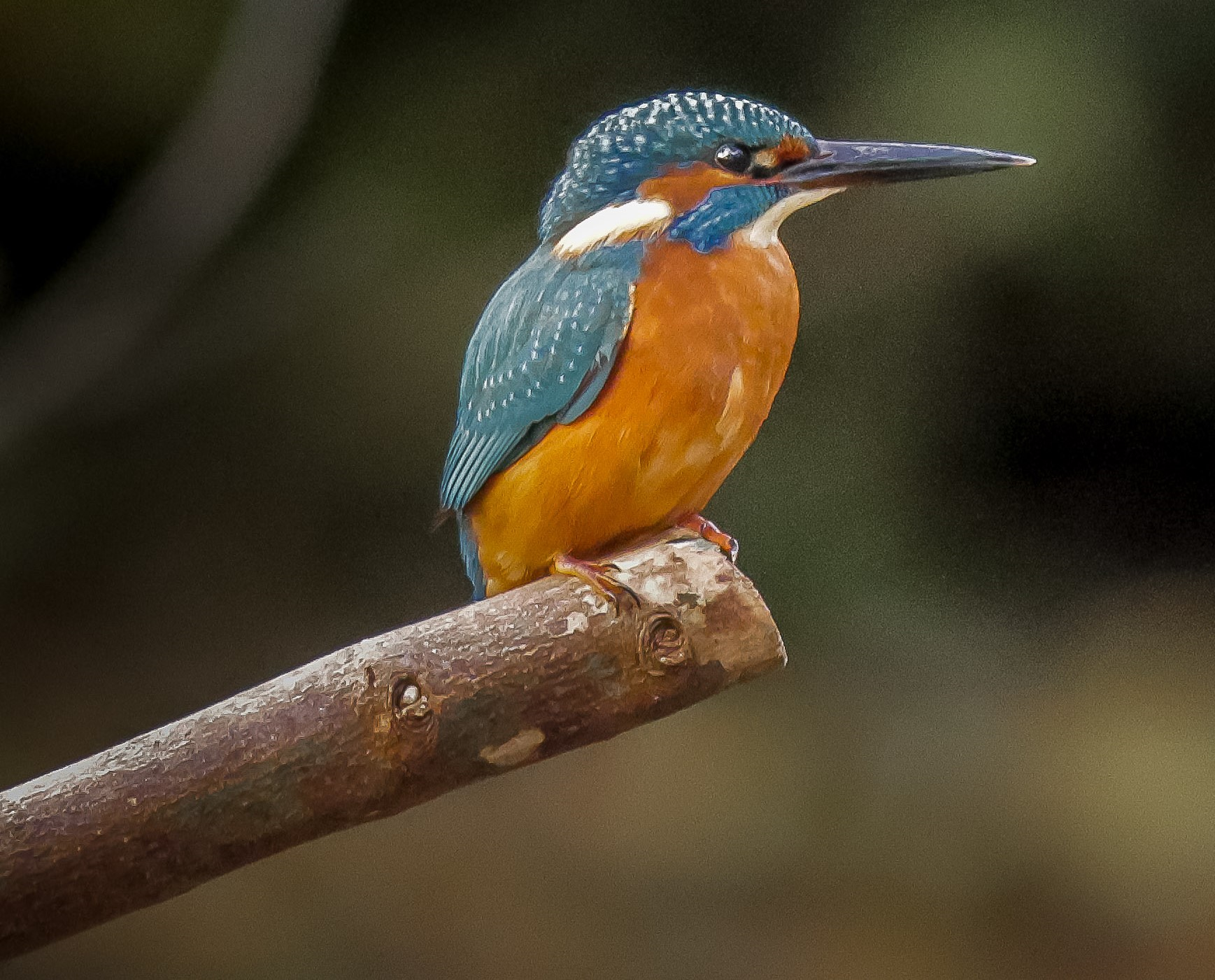
- Wildlife – the environment within the Bishopstown House estate is very conducive to wildlife, although it may not always be seen without patience or being at the right place/time. The Birds of Curraheen Gallery is a good place to see a variety of bird species which have been photographed. The heron is a common sight, especially along the river or in the ornamental ponds, even when people are around. Bats in the early evening can be spotted along the Bishop’s Walk by the river. Otters have been seen down by the sharp U-turn in the Curragheen river, while foxes appear on the fields around estate.
- Industry – it is thought that in the 19th Century a limestone smelting operation took place on the estate. There were various quarries also around the edge of the estate which provided the raw limestone. This was broken down and transported a short distance to a limestone kiln, which can be still seen.
- The Cork Corporation – in the mid 1970’s when the Corporation bought the estate, they set up a number of social and recreational facilities around Murphy’s Farm. These included the tennis club (on the site of the estate garden / orchard), pitch ‘n’ putt and youth club.
 Curraheen Residents Association